Dizziness & Vertigo: Your Vestibular Health Guide
Dizziness, Vertigo, and Loose Crystals: Everything You Need to Know About Vestibular Health
Millions of people live with unexplained dizziness, mysterious vertigo attacks, or a persistent feeling that the floor is dropping beneath them. Often dismissed or misdiagnosed, these symptoms frequently trace back to the vestibular system — and there are effective treatments most people never hear about.
Your Inner Ear Does More Than Help You Hear
Deep in your inner ear — further than any eardrum or middle ear canal — sits a remarkable, dime-sized organ: the vestibular system. It works constantly and invisibly, doing three things that keep you upright and oriented:
- Sensing the position of your head in space
- Detecting which direction and how fast your head is moving
- Coordinating your eye movements so your vision stays clear as your head moves (gaze stabilization)
This system partners with your eyesight and your body’s proprioceptive sense. Together, these inputs give your brain everything it needs to keep you steady. When the vestibular system is disrupted, the resulting symptoms can range from mild unsteadiness to completely disabling vertigo.
The Two Most Common Vestibular Conditions
1. BPPV — When Crystals Go Rogue
Benign Paroxysmal Positional Vertigo (BPPV) is the most frequently seen vestibular condition. Inside your inner ear, tiny calcium carbonate crystals are normally anchored to a gel-like structure that helps your brain sense gravity. When these crystals detach and drift into the fluid-filled canals, they send wildly incorrect signals to your brain — creating an intense, disorienting illusion of spinning.
The hallmark of BPPV is brief vertigo — seconds to about a minute — triggered specifically by position changes: lying down to sleep, rolling over, looking up, getting your hair washed, or going into a yoga inversion. Sitting back up often triggers another round as the crystals shift in the opposite direction.
Repositioning maneuvers performed by a trained vestibular therapist are the gold-standard treatment. The widely known Epley maneuver is one option — but only for crystals in a specific canal and a specific ear. Using the wrong maneuver can worsen symptoms. Accurate diagnosis before any treatment is critical.
Who is most at risk? People over 40 (especially women), those with low calcium or vitamin D, migraine sufferers, and anyone who has experienced a head injury.
2. Vestibular Migraine — The Dizziness No One Expects
Vestibular migraine is widely underdiagnosed because it can occur without a headache. It is a neurological condition in which the brain, in a sensitized and hyperactive state, produces symptoms that mimic inner ear problems: vertigo, dizziness, brain fog, ringing in the ears, light and sound sensitivity, and nausea.
Unlike BPPV, vestibular migraine is not triggered by position changes. It can strike while sitting quietly in a room. It is more common in women and tends to emerge or worsen during hormonal transitions such as perimenopause.
Key triggers to watch for:
- Hormonal fluctuations — periods, perimenopause, menopause
- Caffeine (especially sudden changes in intake)
- Alcohol — especially red wine and dark spirits
- Aged cheeses and processed meats (nitrates)
- Dehydration and poor sleep
- Stress, strong scents, bright or flickering lights, and screen time
- Barometric pressure changes
Treatment combines trigger management, education, and vestibular rehabilitation exercises, often in collaboration with a neurologist or ENT who specializes in migraine.
What Vestibular Therapy Actually Looks Like
A vestibular evaluation is unlike a standard physical therapy visit. The therapist uses infrared goggles with a built-in camera to observe involuntary eye movements that appear during positional testing. These patterns reveal which canal is affected and guide the choice of treatment.
Treatment techniques include:
- Crystal repositioning maneuvers (for BPPV)
- Habituation exercises: repeated, controlled exposure to symptom-provoking movements to retrain the brain’s response
- Gaze stabilization training: exercises that improve coordination between eye and head movement
- Balance retraining, including standing and walking with eyes closed
- Education and a personalized rescue toolkit for managing acute migraine episodes
A vestibular therapist may also introduce practical migraine management tools: FL-41 tinted glasses (which block the blue, red, and yellow light frequencies that trigger migraine while letting in soothing green light); migraine relief caps kept in the freezer; oral and topical magnesium; hydration supplements; and FDA-cleared neuromodulation devices that target the trigeminal nerve. Techniques like eye cupping and the 20-20-20 rule (every 20 minutes on a screen, look 20 feet away for 20 seconds) can also significantly reduce eye strain and migraine frequency.
Concussions and Dizziness: What to Know
Dizziness after a concussion is common and treatable. While mild concussions typically resolve within one to two weeks, symptoms persisting beyond three months indicate post-concussion syndrome that needs specialized attention. Current guidelines recommend gentle movement beginning within 24 to 48 hours of injury — the old advice of complete rest in a dark room has been replaced. Vestibular rehabilitation plays an important role in concussion recovery and return-to-sport protocols.
Recognize Stroke Warning Signs: BFAST
Vertigo can be a symptom of stroke. Sudden, unrelenting vertigo that is unlike previous episodes warrants emergency evaluation. Use the BFAST acronym:
- B — Balance loss or coordination difficulty
- E — Eye changes: double vision, blurring, or loss of vision
- F — Facial drooping on one side
- A — Arm or leg weakness
- S — Slurred or strange speech
- T — Time to call 911 or go to the ER
Do not dismiss severe, sudden vertigo as “just the crystals.” Always rule out something serious first.
Finding the Right Specialist
Vestibular physical therapy is a specialized field. Not every clinic with a vestibular therapy sign has therapists who practice it regularly. To find a truly qualified provider, visit vestibular.org and use the provider directory with your zip code. Ask about their experience with your specific condition, and whether they use infrared goggles for evaluation.
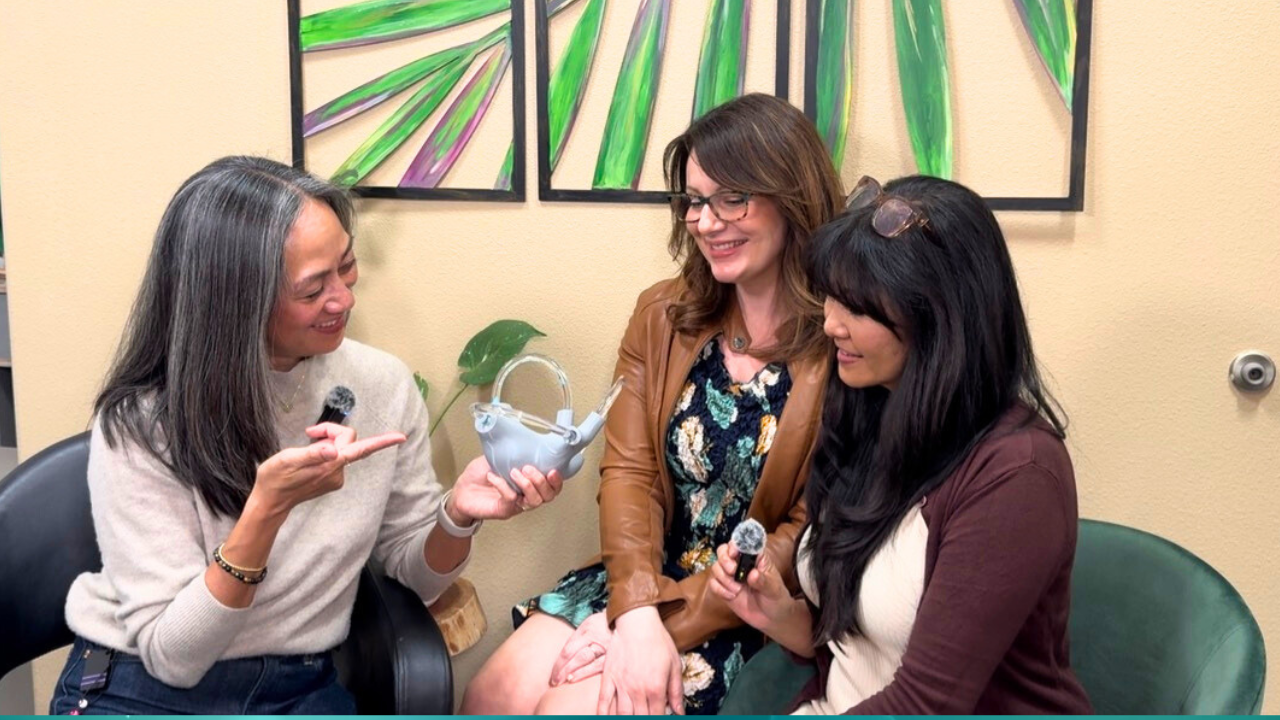
This post was inspired by a conversation on The Beauty Lab Podcast with vestibular physical therapist and founder of Balance Solutions Rehab, Shana Townsend, PT. Here are the products mentioned in the podcast.