Vampire Facial: What It Is, What It Does, and Is It Worth It?
Vampire Facial: What It Is, What It Does, and Is It Worth It?
Vampire Facial: What It Is, What It Does, and Is It Worth It?
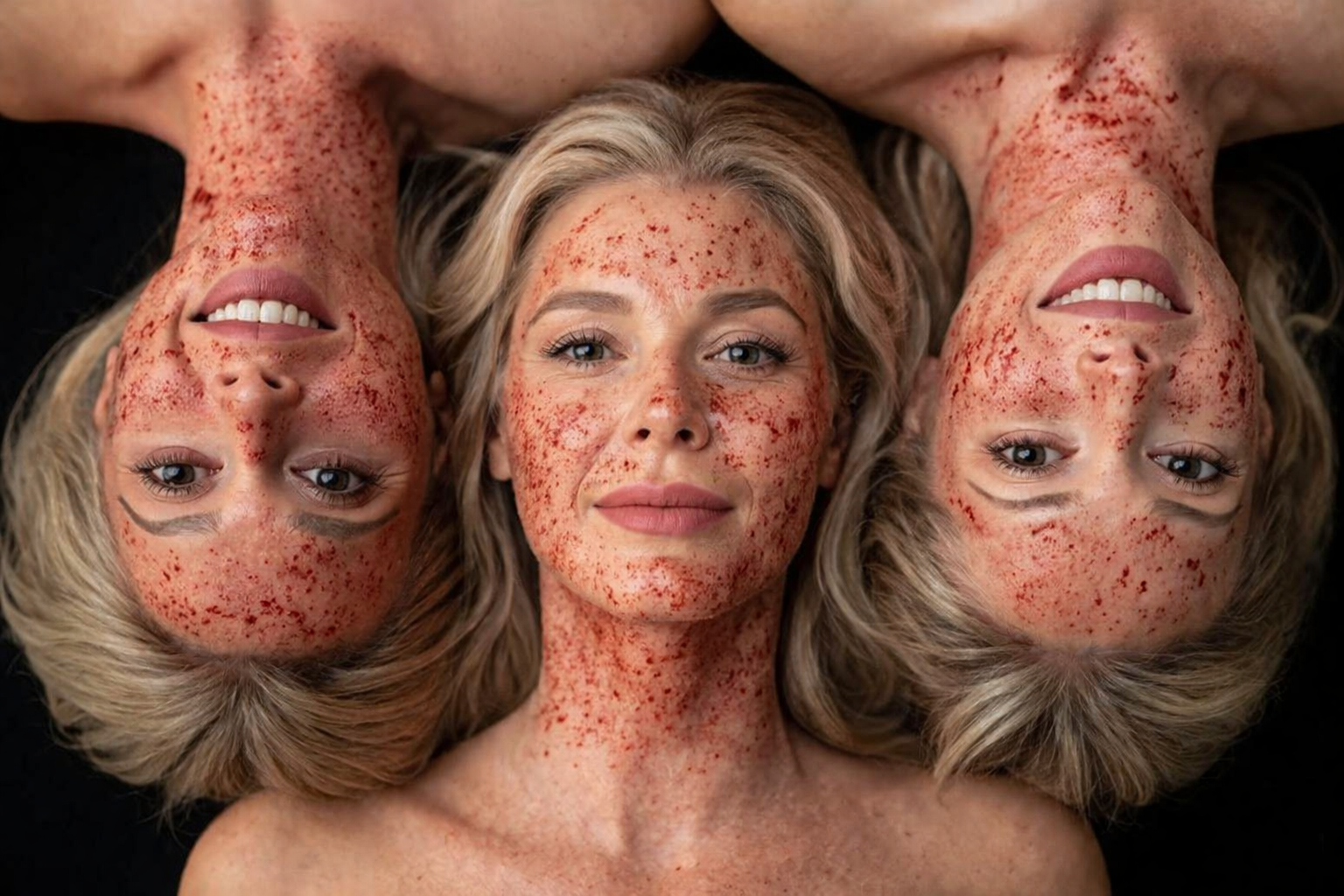
You've probably seen it — the dramatic before-and-after photos, the blood-red face mid-treatment, maybe even that viral celebrity moment that made the whole internet simultaneously cringe and google "vampire facial near me." But beyond the dramatic name and the striking visuals, what is a vampire facial actually doing for your skin?
I had a chance to ask a real expert on a recent episode of the Beauty Lab Podcast. Dr. Josh Donaldson is a naturopathic physician with 19 years in practice and founder of Longevity Medical Institute in Los Gatos and Soquel, California. He's been performing PRP facials for years, and his explanation made the whole thing click.
First: Why Is It Called a Vampire Facial?
The name comes from the treatment's key ingredient — your own blood. A vampire facial is the popular name for a PRP facial, where PRP stands for platelet rich plasma. The term was coined by a physician in Arkansas who pioneered the aesthetic use of PRP, and it gained massive attention when a well-known actress posted photos of herself mid-treatment, face covered in blood. The name stuck.
What's Actually Happening During a PRP Facial
The process starts with a blood draw — typically about 50 to 60 ccs from your arm. That blood is then placed in a centrifuge and spun down to separate and concentrate the platelets, which are naturally packed with growth factors and cytokines — the biological compounds your body uses to repair tissue and stimulate new cell growth.
What you end up with is a small vial of highly concentrated, growth-factor-rich plasma. That's the PRP. And it's completely derived from your own body, which means there's no risk of rejection or allergic reaction.
From there, Dr. Josh uses two methods to get the PRP into your skin:
First, microneedling. A microneedling pen creates tiny channels across the face at varying depths — shallower around the eyes and forehead where skin is delicate, deeper on the cheeks, neck, and décolletage. The PRP is applied topically and absorbed through those micro-channels, where it can go to work stimulating collagen and elastin production.
Second, direct injections. Using a very fine needle, Dr. Josh injects PRP directly into specific lines and wrinkles — crow's feet, the "11" lines between the brows, nasolabial folds, forehead lines. He describes the technique as feathering the needle in just beneath the surface of the wrinkle to essentially fill it from below, softening its appearance from the inside out.
What Does a Vampire Facial Actually Do for Your Skin?
Unlike Botox, which works by temporarily paralyzing the muscles beneath wrinkles, PRP works by triggering your skin's own repair process. The growth factors signal your body to produce new collagen, tighten lax tissue, and regenerate healthier skin cells. The result is a more natural-looking improvement — skin that looks tighter and more luminous rather than frozen.
Dr. Josh noted it's also effective for acne scarring, because the PRP helps fill in depressed areas and stimulate new tissue growth underneath.
For patients who want even more dramatic results, he combines the PRP with exosomes — tiny nanoparticles derived from stem cells that amplify the regenerative signal even further. He called the combined results "nothing short of miraculous."
Is It Painful?
Honestly? A little. Numbing cream is applied beforehand to make it more comfortable, but there is some discomfort — especially with the injections. Most people find it very manageable, and the soreness afterward is minimal compared to, say, a PRP joint injection.
How Many Treatments Do You Need?
The standard protocol for a PRP facial is once a month for three months, and then you're typically good for one to two years. It's not a one-and-done, but it's also not a constant commitment.
So — Is It Worth It?
If you're looking for a natural, non-toxic approach to skin rejuvenation that works with your body's own biology rather than injecting foreign substances into it, a vampire facial is genuinely worth exploring. The science is solid, the results are real, and something is appealing about using your own blood to turn back the clock — even if the mid-treatment photos look a little intense.
Dr. Josh offers a free 15-minute phone consult if you want to find out whether you're a candidate. You can reach his team at longevitymedicalinstitute.com. His clinics are located in Los Gatos and Soquel (near Santa Cruz), California.
This is paragraph text. Click it or hit the Manage Text button to change the font, color, size, format, and more. To set up site-wide paragraph and title styles, go to Site Theme.