Unlocking the Secrets to Youthful Skin: Understanding Sun Damage, Hydration, and Cellular Turnover
Unlocking the Secrets to Youthful Skin: Understanding Sun Damage, Hydration, and Cellular Turnover
Today, let's unravel the mysteries of maintaining youthful skin. We're diving deep into how factors like sun damage, hydration, and cellular turnover affect your skin's health and appearance. Whether you're looking to prevent aging or repair existing damage, understanding these elements is key to a glowing, youthful complexion.
The Impact of Sun Damage on Aging
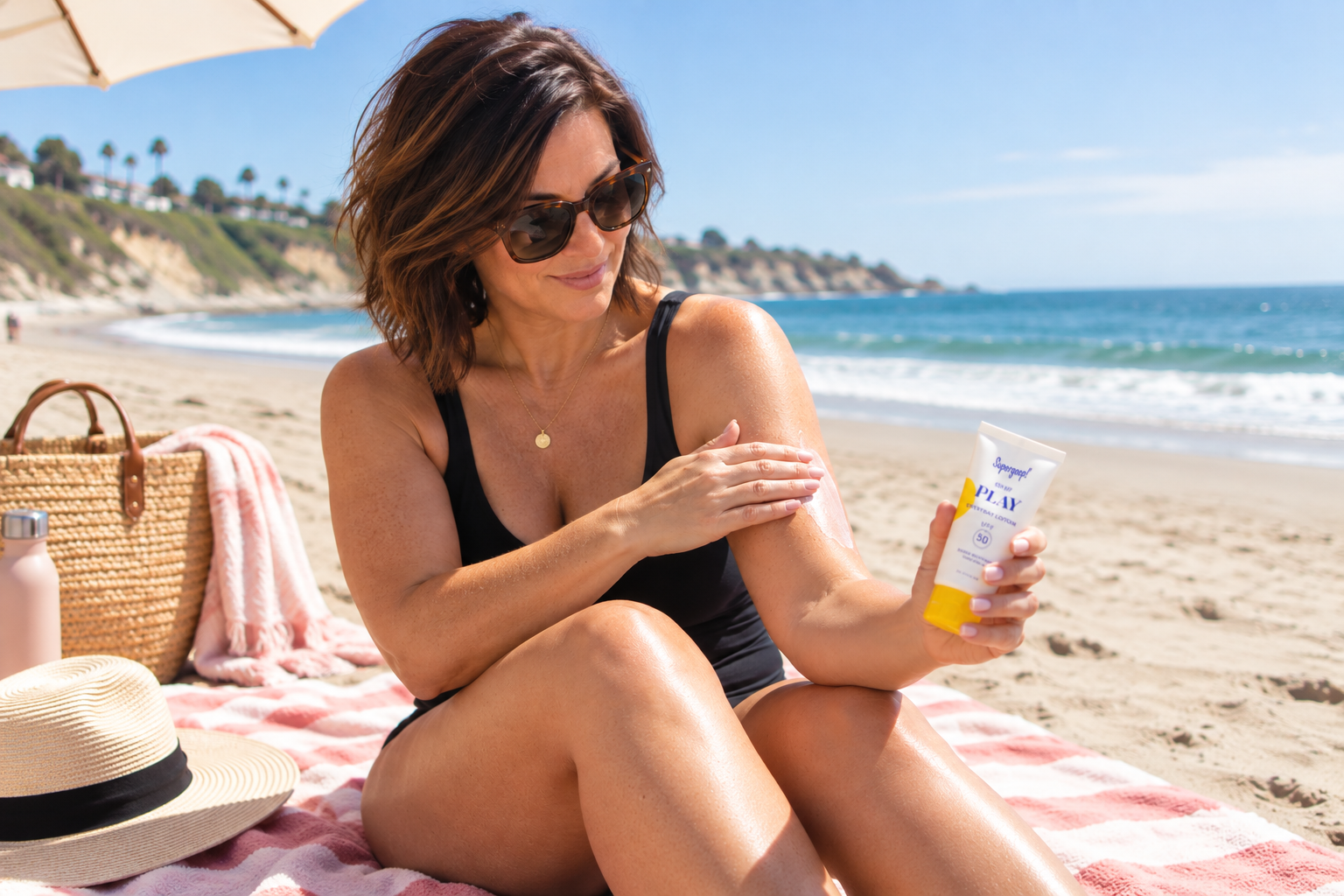
Sun exposure is one of the primary accelerators of skin aging. The harmful effects of ultraviolet (UV) radiation, including both UVB (burning rays) and UVA (aging rays), are profound. UVA rays, which can penetrate through glass, cloud cover, and even clothing, reach the dermis of your skin, causing DNA damage, collagen and elastin breakdown, and free radical formation.
This is why people who sunbathe without protection often have leathery, dull-looking skin.
Pro Tip:
Always wear SPF and reapply every 2 hours. Opt for physical blockers like zinc oxide and titanium dioxide for effective protection.
Hydration: The Key to Youthful Skin
Hydration plays a pivotal role in keeping your skin looking young and radiant. Our skin is made up of approximately 70% water. Think of a plump grape and what happens when it loses moisture – it becomes a wrinkled raisin. Similarly, dehydration impairs skin elasticity and moisture, contributing to the appearance of fine lines and wrinkles.
Collagen, the most abundant protein in our bodies, is crucial for maintaining skin integrity. When we're dehydrated, our body draws moisture from collagen, exacerbating aging signs.
Pro Tip:
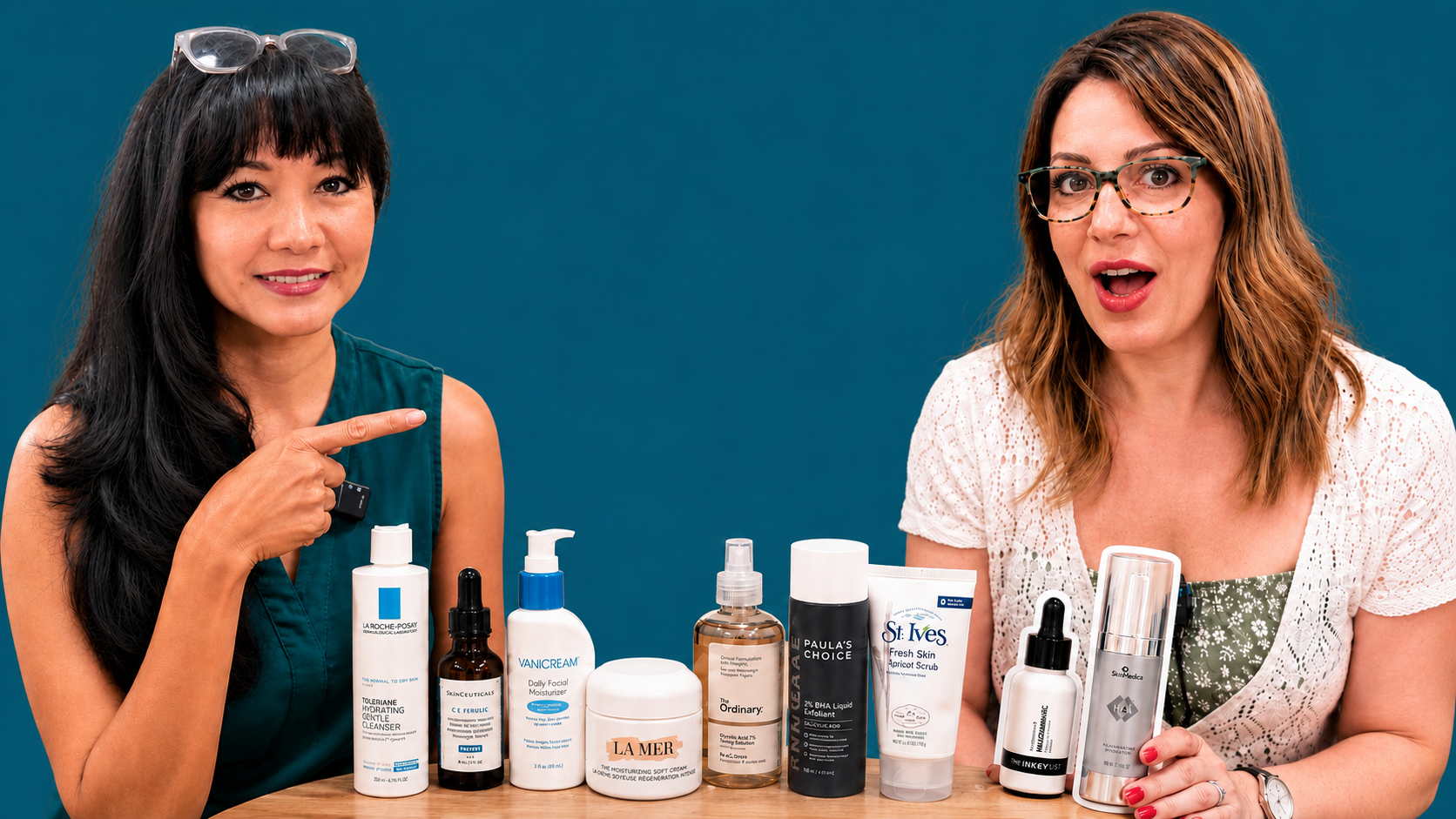
Use serums containing hydrating ingredients like hyaluronic acid, which can hold up to 1000 times its weight in water, to bind moisture to your skin.
TAKE THE SKIN QUIZ (and get recommendations
The Importance of Cellular Turnover
Cellular turnover refers to the ongoing process of cell production and replacement. A lack of cellular turnover or exfoliation hinders the natural shedding of dead skin cells. This leads to dull, rough skin, clogged pores, and further dehydration, contributing to aging.
Pro Tip:
Incorporate physical or chemical exfoliants into your skincare routine to promote natural shedding, enhancing the absorption of serums and skincare products.
Lifestyle Factors Contributing to Aging
Factors like smoking, sugar consumption, and sleeping with makeup on contribute significantly to aging. Smoking increases free radical production and damages collagen, leading to deep lines and wrinkles. Sugar consumption results in glycation, a process where sugars react with proteins or lipids, forming AGEs (advanced glycation end products).
These AGEs cause tissue stiffness and visible aging signs, often seen as cross-hatching patterns on the skin. Sleeping with makeup leads to clogged pores and skin irritation, increasing inflammation and dehydration, further pulling moisture from collagen and impairing the skin barrier.
Pro Tip:
Adopt a healthier lifestyle. Reduce sugar intake and always cleanse your face before bed.
Embracing Your Signature Look
Remember, everyone has their signature look – it's about what makes you feel confident and beautiful in your own skin. Whether it's a minimal approach or a full makeup routine, the key is healthy, well-cared-for skin.
Understanding the science behind skin aging and adopting the right skincare practices can make a world of difference. So, embrace these tips, protect and nurture your skin, and let your natural beauty shine!
Until next time, keep glowing!