What Is Skin Cycling? The Simple 4-Night Routine Your Skin Will Love
What Is Skin Cycling? The Simple 4-Night Routine Your Skin Will Love

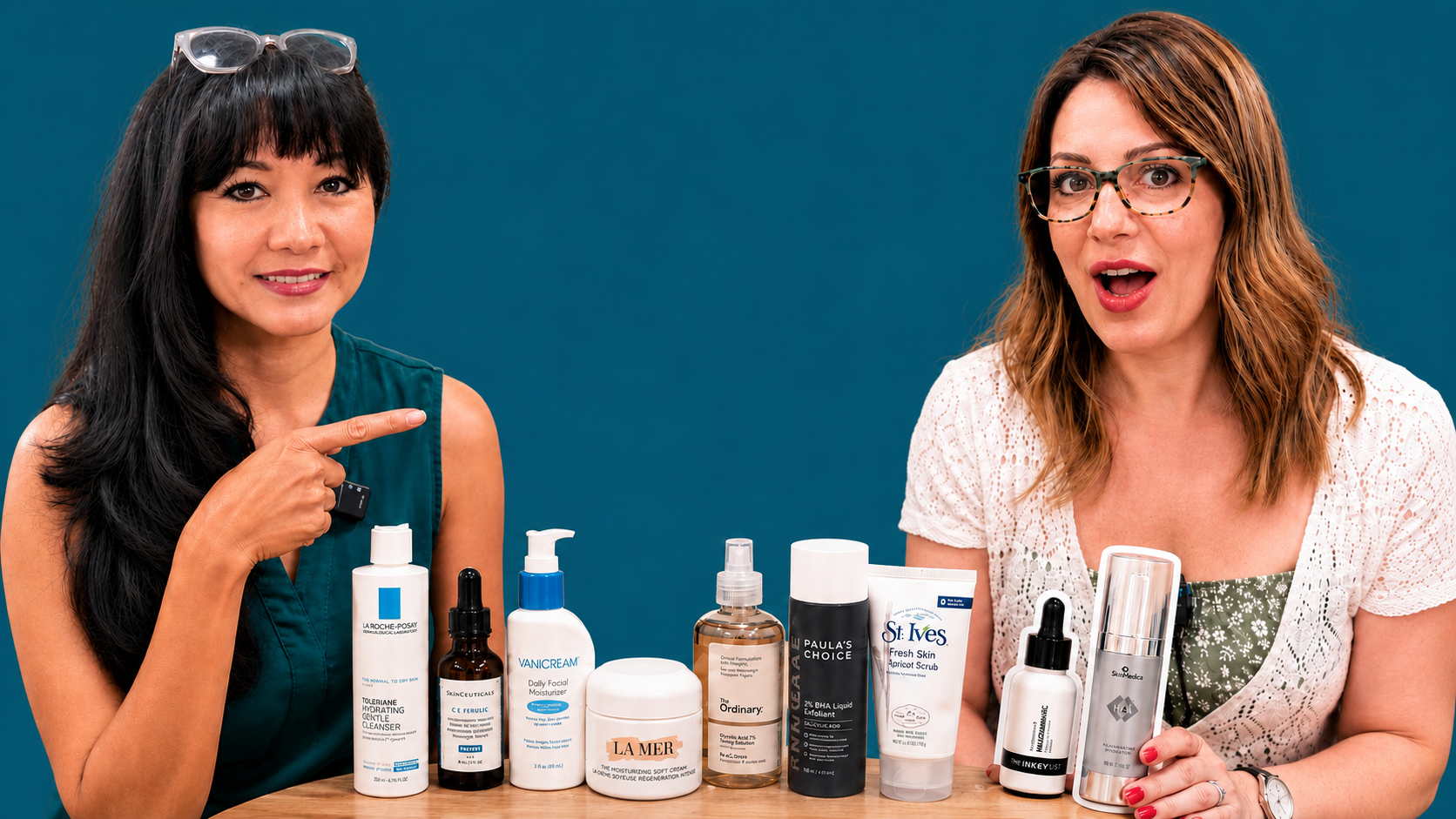
Hey there! It’s Velia and Monina from the Beauty Lab Podcast, and today we’re diving into something we’ve both grown to love—skin cycling.
At first, I (Velia) was like, “Wait…what
is skin cycling?” Monina just smiled and said, “You’re gonna love it.” And she was right. If you’ve seen this term pop up on TikTok and wondered what the hype is about, stick around because we’re breaking it all down in a way that’s easy, effective, and totally beginner-friendly.
What Is Skin Cycling, Anyway?
Skin cycling is a 4-night skincare routine where you rotate between active ingredients and recovery days to avoid overwhelming your skin. It’s not just a trend—it’s actually rooted in dermatologist advice and skincare science. But it’s finally getting traction because people are seeing real before-and-after results on social media.
Here’s the breakdown:
- Night 1: Exfoliation (think AHAs like glycolic acid or BHAs like salicylic acid)
- Night 2: Retinols or Retinoids
- Nights 3 + 4: Recovery with Hydration (hello, hyaluronic acid and moisturizers)
Then… repeat! Easy, right?
Why Skin Cycling Works (and Who It’s For)
This method allows active ingredients to work their magic without causing damage. Instead of bombarding your skin with too much, skin cycling builds in rest days—kind of like a workout routine for your face. And just like muscles, your skin needs time to recover and rebuild stronger.
Skin cycling is:
- Great for beginners wanting to introduce actives
- Gentle enough for sensitive skin (with a little customization)
- Effective for reducing irritation, inflammation, and breakouts
If all you’ve done is wash, tone, and moisturize—but want to step it up—this is the perfect next move.
Mistakes to Avoid When Starting Skin Cycling
Like anything new, it’s easy to get overexcited and overdo it. Here are a few common missteps to avoid:
- Using a retinol that’s too strong—Start small and always talk to a pro if you’re unsure.
- Skipping recovery nights—Those hydration days are crucial for rebuilding.
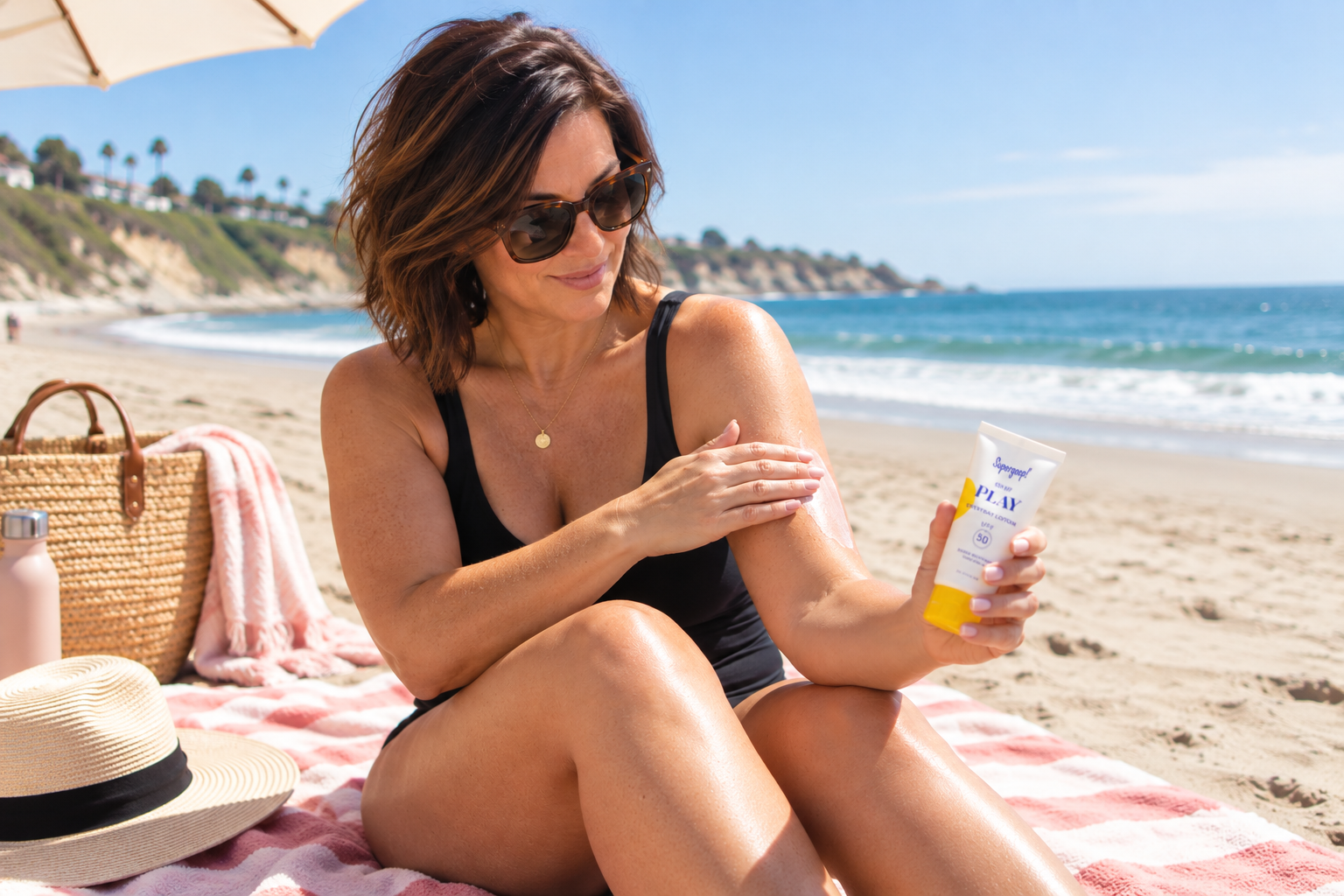
- Not wearing sunscreen—Especially on days after exfoliating or using retinol. Trust us, SPF is non-negotiable here.
And if you're seeing redness or peeling, don’t panic! That might just mean you need to add more recovery nights. Customize based on how your skin reacts.
Pro Tips and Product Help
You can absolutely customize this based on your skin’s needs. Drier or more mature skin? Add extra recovery days. Struggling with sensitivity? Choose gentler exfoliants or lower-strength retinols. We always recommend chatting with a skincare professional before starting—but if you’re not in the Bay Area, Monina offers Zoom consults too!
We’ve put together a list of recommended products (both drugstore and pro-grade) because we wanted to keep this as easy and doable as possible.
Skin Cycling Product Recommendations
(Beginner-friendly and esthetician-approved)
Please email Monina to schedule a free consultation to give you advice on which products would be best!
Night 1: Exfoliation
- The Ordinary Glycolic Acid 7% ToningSolution – A gentle AHA toner that smooths skin texture and boosts radiance
- Paula’s Choice Skin Perfecting 2% BHA Liquid Exfoliant – Salicylic acid helps unclog pores and refine skin
- Osmosis Polish Enzyme Cleanser – Ideal for sensitive skin; gently exfoliates using enzymes without irritation
Night 2: Retinoid
- CeraVe Resurfacing Retinol Serum – Encapsulated retinol + ceramides for resurfacing and calming
- The Inkey List Retinol Serum – Beginner-friendly and affordable
- Osmosis Clarify Blemish Retinal Serum – A gentler form of Vitamin A (retinaldehyde)—perfect for introducing retinoids to sensitive or acne-prone skin
Nights 3–4: Recovery & Hydration
- La Roche-Posay Cicaplast Baume B5 – Soothes, hydrates, and supports barrier repair
- CeraVe Moisturizing Cream – Ceramide-rich moisturizer for long-lasting hydration
- The Ordinary Hyaluronic Acid 2% + B5 – Lightweight humectant to deeply hydrate and plump skin
Daily SPF (Morning Must-Have)
- Neutrogena Hydro Boost Water Gel Lotion SPF 50 – Lightweight, non-greasy, hydrating SPF
- EltaMD UV Clear Broad-Spectrum SPF 46 – Great for sensitive, acne-prone, or rosacea-prone skin
- Linder Health Castaway SPF 50 – Mineral-based, reef-safe, and skincare-infused SPF with a silky matte finish
So if exfoliation makes your heart flutter like it does mine, now you’ve got a plan—and guidance—to glow smarter, not harder. Until next time, keep experimenting with your beauty routine. 💛