Brazilian Wax 101: How to Prepare, What to Expect & Aftercare Tips
Brazilian Wax 101: How to Prepare, What to Expect & Aftercare Tips

If you've been curious about Brazilian waxing but aren't sure what you're actually signing up for — or you had a rough first experience and want to try again with more information — this guide covers everything you need to know.
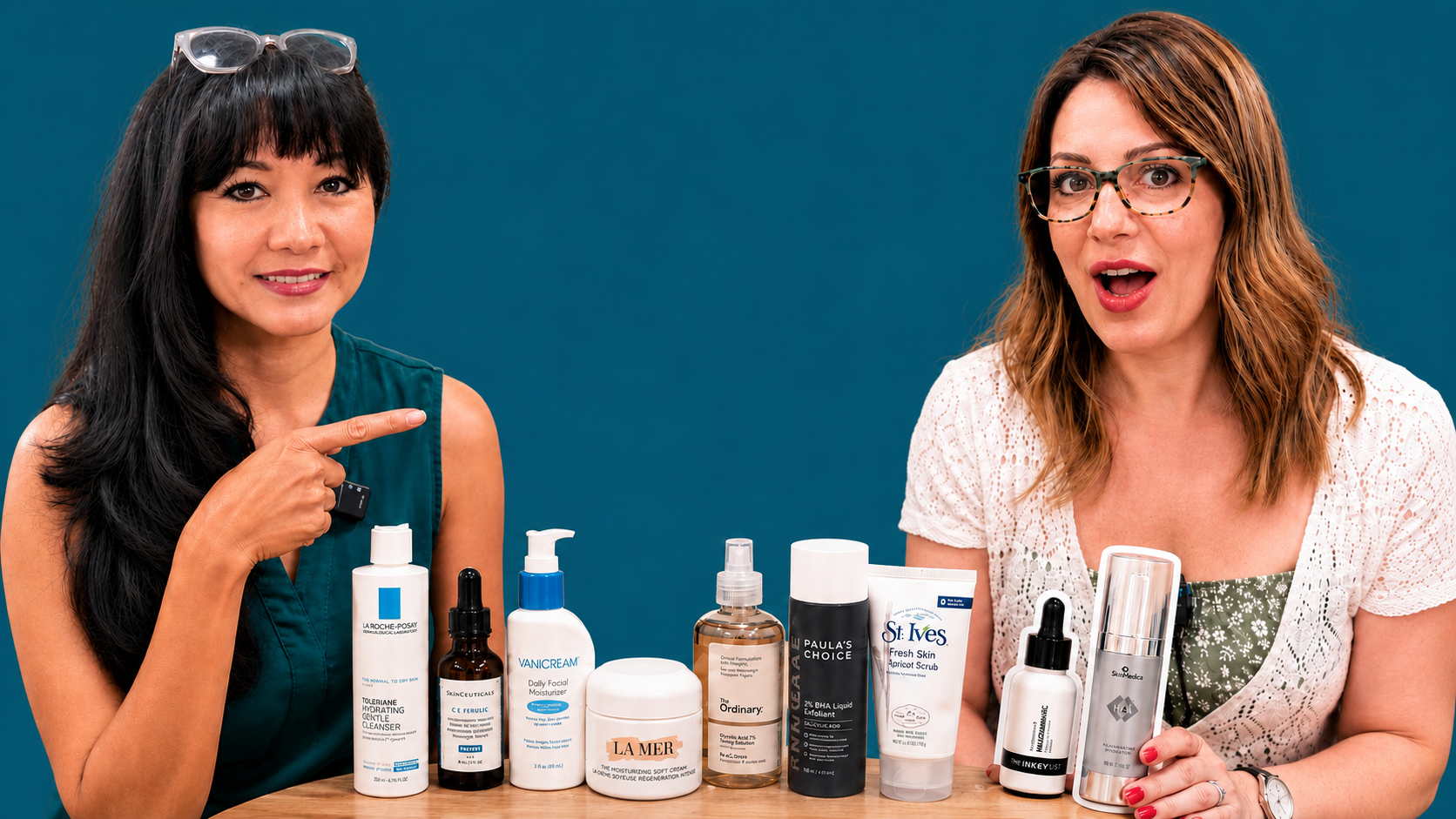
Monina, licensed esthetician and co-host of The Beauty Lab Podcast, walks through the process from start to finish: what a Brazilian actually is, how to prepare your skin, what happens during the appointment, how much it hurts (honestly), and what to do in the 24 to 48 hours after to protect your skin and prevent ingrown hairs.
What Is a Brazilian Wax — And How Is It Different from a Bikini Wax?
One of the most common points of confusion around waxing is the terminology, and that confusion is worth clearing up before you book anything, because definitions can vary from one esthetician to another.
A bikini wax removes only the hair visible outside the bikini line. A full bikini goes a bit further. You can keep a small triangle or landing strip, or remove everything in that zone. But as soon as the esthetician works into the labial folds or the backside, that's when it officially becomes a Brazilian.
When you book an appointment, always do a quick definition-of-terms check with your esthetician. What one person means by "Brazilian" might be different from what another considers one. Being clear upfront saves everyone time and makes sure you leave with exactly what you wanted.
Why Do People Get Brazilian Waxes?
The most obvious reason is smoothness. Waxing removes hair from the root, which means you stay smoother for significantly longer than you would with a razor. There's no stubble the next day, no razor burn, and no regrowth appearing within 48 hours.
Waxing also tends to reduce ingrown hairs over time, especially when combined with consistent aftercare. And for people who shave regularly, switching to waxing often means less overall skin irritation in a sensitive area.
Results typically last several weeks, and the more consistently you maintain your appointments, the finer and slower the hair tends to grow back.
How to Prepare for a Brazilian Wax
What you do before your appointment has a direct impact on how comfortable the wax is and how clean the result looks. Here's what Monina recommends to every first-time client.
Make Sure Your Hair Is Long Enough
Your hair needs to be at least a quarter inch long, roughly the size of a grain of rice — for the wax to grip it properly. If the hair is shorter than that, the wax won't have anything to hold onto and you'll be wasting your time.
If you shaved recently, wait at least two to three weeks before booking. Two weeks is the minimum; three is more reliable unless your hair grows quickly. And whatever you do, don't shave right before your appointment thinking it'll make things easier. It won't — there just won't be enough hair to wax.
Exfoliate Gently Beforehand
Exfoliating the area 24 to 48 hours before your appointment helps remove the layer of dead skin so the wax can get directly to the hair. You don't need anything abrasive. A washcloth or loofah is enough. The goal is just to clear the surface so the result is as smooth as possible.
Hydrate Well
Dehydrated skin tends to be more sensitive and more prone to irritation during waxing. Drinking plenty of water in the days leading up to your appointment is a simple thing that actually makes a difference.
Shower Before You Go
Hygiene matters — for you and your esthetician. Showering before your appointment is one of the most straightforward ways to make the experience better for everyone.
Wear Loose, Breathable Clothing
What you wear to and from your appointment matters more than most people think. Tight clothing creates friction against freshly waxed skin, which can cause irritation and inflammation. Go for loose, breathable fabrics — and if possible, skip the underwire or anything that sits right in the waxed area.
What to Avoid Before Your Brazilian Wax Appointment
Just as important as what to do is what not to do in the 24 to 48 hours leading up to your appointment.
- Tanning: Sun-exposed or recently tanned skin is more sensitive. Skip the tanning bed or extended time in the sun at least 24 to 48 hours before.
- Retinols and active acids: These thin the skin and increase sensitivity. If you use any creams or treatments with retinol — including products for pigmentation in that area. Stop using them at least 48 hours before your wax.
- Caffeine and alcohol: Both can increase skin sensitivity, especially if it's your first time. Avoiding or limiting them the day of your appointment is a good precaution.
- Shaving: This one is worth repeating. No shaving, even a few days before is not enough time for the hair to grow back to a workable length.
One more tip on timing: if your cycle is regular, try to book your appointment about a week after your period. Skin tends to be significantly more sensitive right before and during menstruation, which can make the wax more uncomfortable than it needs to be.
Does a Brazilian Wax Hurt? Here's What to Actually Expect
The honest answer is yes — waxing involves pulling hair from the root, and that's not a painless process. But the way most people describe it is similar to pulling off a Band-Aid: it's a sharp, quick sensation, not a sustained one. As soon as the strip is removed, the discomfort is essentially over.
Your first appointment will likely be the most uncomfortable one, for two reasons. First, you're not used to it. Second, the hair has probably never been waxed before, which means the follicles are stronger. The more consistently you maintain your appointments, the less it tends to hurt over time.
The anticipation is often worse than the actual wax. Most clients find that once they get through the first pull, the rest of the appointment goes faster and feels more manageable than they expected.
A full Brazilian typically takes 15 to 30 minutes, even for first-timers. It's not a long appointment.
How to Reduce Discomfort
- Take an OTC pain reliever: Ibuprofen or acetaminophen taken 30 to 45 minutes before your appointment can help reduce post-wax inflammation.
- Try a numbing cream: Over-the-counter lidocaine (4%) is available at most drugstores. Apply a generous amount to the area at least 30 to 45 minutes before your appointment and skip putting underwear on right after — let it absorb fully before getting dressed. If you need something stronger, ask your esthetician; Monina carries a 5% formula for clients who need it.
- Ask for smaller sections: If you're particularly sensitive, ask your esthetician to work in smaller strips rather than larger ones. It takes a little longer but significantly reduces the intensity of each pull.
- Communicate with your esthetician: Some clients want a countdown before each pull; others prefer no warning at all. Let your esthetician know what works for you. A good esthetician will adjust.
What Actually Happens During a Brazilian Wax Appointment
If you've never been, not knowing what to expect is often what makes people most nervous. Here's a straightforward walkthrough of what a typical appointment looks like.
The Consultation
Before anything else, a good esthetician will do a brief consultation. This is where you'll confirm what you actually want (bikini, full bikini, or Brazilian), discuss any skincare products or medications that could affect your skin, and talk through any concerns. This is also your chance to ask questions.
Setup and Positioning
You'll disrobe from the waist down and lay on a treatment table. The standard position is what estheticians call butterfly — lying on your back with the soles of your feet together and knees out to the sides. Your esthetician will guide you through any positioning adjustments as needed. This is their job; they do this all day. There is no reason to feel embarrassed.
Cleanse and Prep
Your esthetician will cleanse the area, typically with a gentle lavender-based cleanser. Many also apply a light prep oil before waxing. The oil creates a barrier between the wax and your skin, which reduces irritation and makes the whole process more comfortable.
The Wax
The wax is applied in sections using a clean stick, a good esthetician will never double dip. This is a hygiene standard worth paying attention to; if you see them dipping the same stick back into the wax pot, that's a problem.
Hard wax is the preferred choice for Brazilian waxing. Unlike soft wax, which is removed with a muslin strip and grabs both hair and skin, hard wax goes on warm, hardens as it cools, and then is removed on its own, no strip needed. The key difference is that hard wax shrink-wraps around the hair rather than adhering to the skin. That's why it tends to feel less like ripping and more like a clean pull.
If you can find an esthetician who uses Berodin specifically, their formula is designed to shrink-wrap the hair particularly well, which makes a noticeable difference in how the wax feels.
Finishing Up
After the wax, your esthetician will check for any stray hairs and may tweeze a few if needed. They'll then apply a post-wax oil and soothing cream to calm the skin, reduce redness, and help with any bumps. Mild redness and slight sensitivity immediately after is completely normal and typically fades within a few hours.
Brazilian Wax Aftercare: What to Do (and Avoid) After Your Appointment
The 24 to 48 hours after your wax are just as important as the preparation. Your skin has just been exfoliated and your pores are open — what you do in this window directly affects how your skin recovers.
What to Avoid for the First 24 to 48 Hours
- Hot tubs, pools, and saunas: Chlorinated water and extreme temperatures can cause significant irritation to freshly waxed skin. Skip them entirely for at least 24 to 48 hours.
- Intense exercise: Sweating creates heat and friction — two things your skin doesn't need right now. Skip the spin class, the run, and the hot yoga until at least the next day.
- Tight clothing: Friction from tight waistbands, underwear, or workout gear can cause irritation and contribute to ingrown hairs. Stick to loose, breathable cotton for the rest of the day.
- Heavily fragranced products: Perfumed lotions and body washes can irritate freshly waxed skin. If your esthetician gave you a post-wax oil or moisturizer, use that instead.
At-Home Aftercare
- Keep the area clean and as dry as possible for the first day.
- Wear breathable cotton underwear to allow the skin to breathe.
- Start exfoliating gently four to five days after your appointment to help prevent ingrown hairs. A washcloth or gentle loofah in the shower is enough.
How to Prevent Ingrown Hairs After a Brazilian Wax
Ingrown hairs happen when the hair follicle gets blocked (usually by a buildup of dead skin) and the hair curls back on itself rather than growing out. They're more likely when friction causes inflammation and skin buildup closes off the pore.
The good news is that consistent aftercare makes a real difference. Here's what actually helps:
- Exfoliate consistently: Starting four to five days after your wax, exfoliate the area gently every time you shower. You don't need a special product — a washcloth works. The goal is to keep the skin clear so hair can grow out without obstruction.
- Stay hydrated: Hydrated skin is healthier skin. Drinking enough water supports your skin's ability to recover and reduces the likelihood of buildup.
- Don't shave between appointments: Shaving disrupts the waxing cycle and increases the likelihood of ingrowns. If you're between appointments and feeling impatient, try to hold off. The more consistent you are with waxing, the finer and slower the hair grows back — and the fewer ingrowns you'll deal with over time.
- Maintain a four-to-six-week schedule: Consistency is the biggest factor in long-term results. Regular appointments allow the hair to grow on a predictable cycle, which makes each wax more effective and more comfortable than the last.
How to Find the Right Esthetician for a Brazilian Wax
Not every esthetician who offers waxing specializes in Brazilians, and there's a real difference between someone who does them regularly and someone who doesn't. A few things to look for:
- Ask specifically about their experience with Brazilians, it's a fair question and a good esthetician won't be offended by it.
- Look for someone who uses hard wax, ideally a quality formula like Berodin.
- For your first appointment especially, find someone who will give you more than 15 minutes and won't rush through it. High-volume wax bars can be great for maintenance once you're comfortable, but they're not always the best environment for a first-timer who needs a little more time and communication.
- Ask for a recommendation from someone who's been going to the same person for a while. Consistency matters. A good esthetician will get to know your skin and your preferences.
- If you're in the Bay Area, you can contact Monina at her business Moderne Beauty in Los Gatos, California.
Final Thoughts
A Brazilian wax is one of those things that sounds more intimidating than it is. The discomfort is real but brief, the results last significantly longer than shaving, and your skin typically gets easier to wax the more consistently you go. The biggest factors in a good experience are preparation, choosing the right esthetician, and taking your aftercare seriously.
If you still have questions, Monina and Velia answer them every week on The Beauty Lab Podcast. Drop yours in the comments on YouTube or slide into their DMs on Instagram @thebeautylabpodcast.
Listen to the full episode on
The Beauty Lab Podcast — available on Apple Podcasts, Spotify, and everywhere you listen.