Retinoids Explained: Retinol vs Retinaldehyde vs Tretinoin (And Which Is Best for Your Skin)
Retinoids Explained: Retinol vs Retinaldehyde vs Tretinoin (And Which Is Best for Your Skin)

Retinoids are one of those skincare topics that sound confusing on purpose. Retinol, retinaldehyde, retinoic acid, tretinoin… they all get lumped together online, and social media makes it feel like the strongest option is always the best choice.
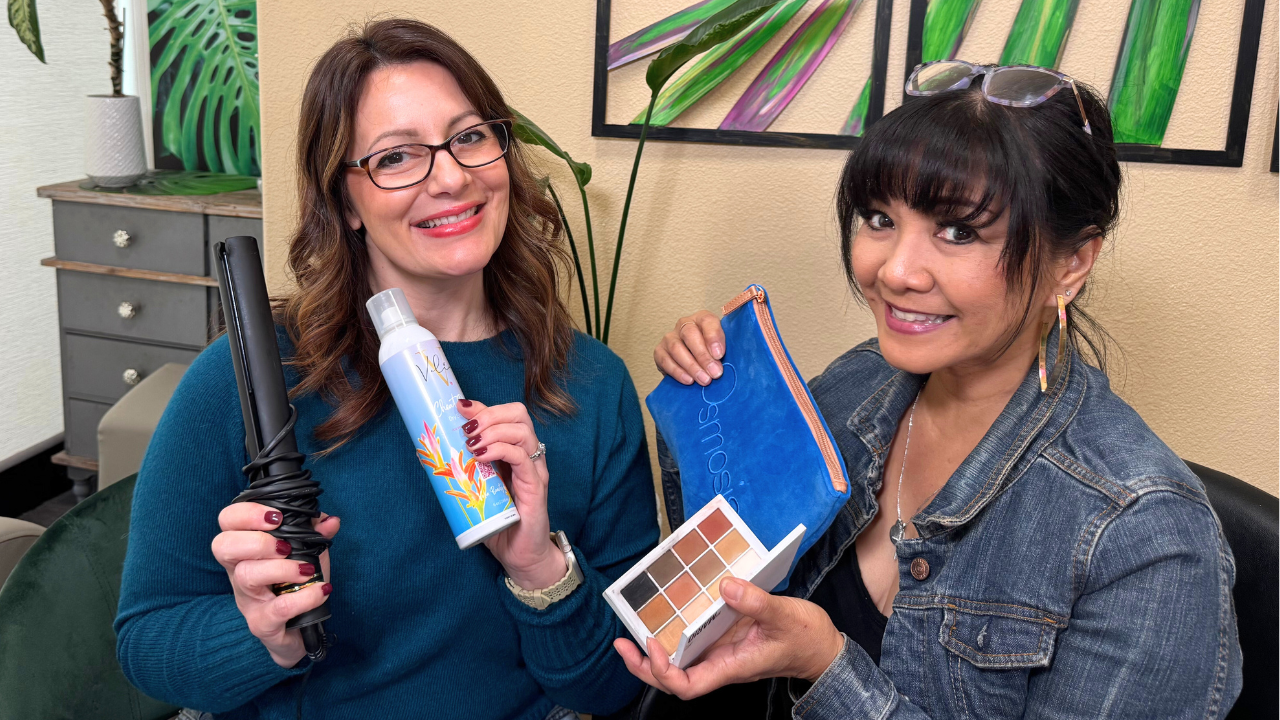
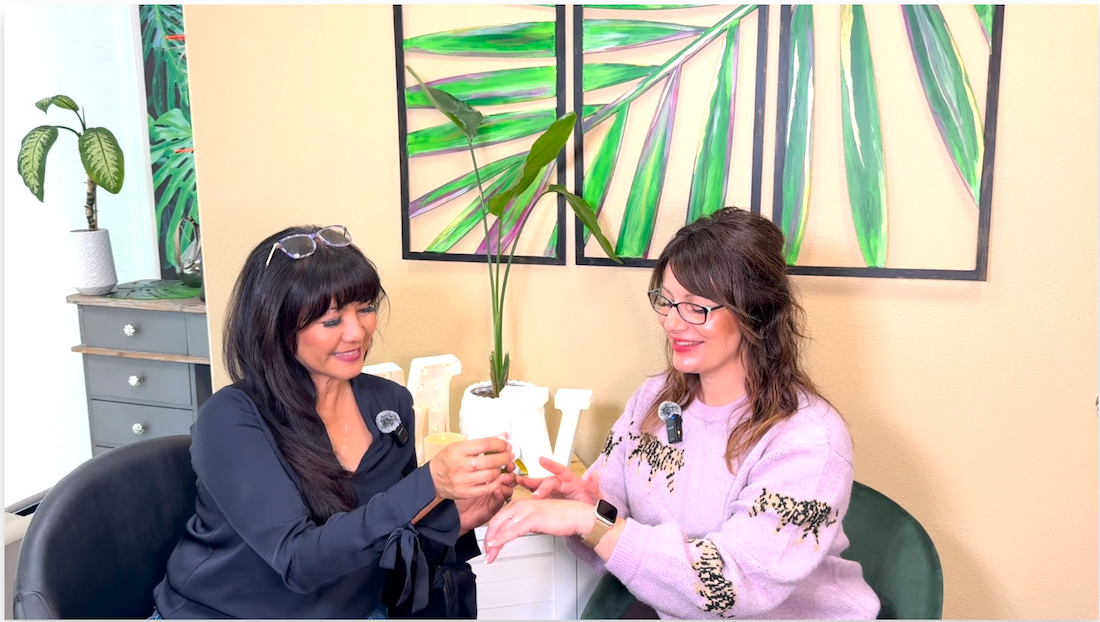
In this episode of the Beauty Lab Podcast, Monina breaks it all down in a way that actually makes sense — without the fear-mongering, hype, or influencer buzzwords. If you’ve ever wondered which form of vitamin A is right for your skin, this guide is for you.
What Are Retinoids, Really?
Retinoids are a family of ingredients derived from vitamin A. They’re known for doing a lot of heavy lifting in skincare, including:
- Improving skin texture and tone
- Helping with acne and congestion
- Boosting collagen production
- Softening fine lines and wrinkles
- Supporting overall skin radiance
The key thing to understand is this: all retinoids need to become retinoic acid inside the skin to actually work. The difference between them is how many steps it takes to get there — and how much irritation comes along for the ride.
Retinol: The Slow and Gentle Option
Retinol is the most common form you’ll see in over-the-counter products like serums and night creams. Here’s how it works:
Retinol → Retinaldehyde → Retinoic Acid
That’s three conversion steps before it becomes active. Because of that, retinol is the weakest form, but also the slowest to show results. It can be a good starting point for beginners, but patience is required.
This slower conversion is why retinol tends to be gentler — but it also means results take longer compared to other options.
Retinaldehyde: Faster Results Without the Drama
Retinaldehyde is where things get interesting.
Retinaldehyde only needs one conversion step to become retinoic acid. That makes it faster and more effective than retinol — but without the harsh side effects commonly associated with prescription treatments.
Why holistic and skin-barrier-focused professionals love retinaldehyde:
- It works faster than retinol
- It’s gentler than tretinoin
- It supports healing instead of triggering inflammation
- It helps maintain a healthy skin barrier
This is why retinaldehyde is often the go-to choice for sensitive skin, aging skin, beginners, and anyone who wants real results without redness, peeling, or irritation.
Tretinoin and Retinoic Acid: Powerful but Not for Everyone
Tretinoin (also known as retinoic acid or Retin-A) is the most potent form of vitamin A. It doesn’t need to convert at all — it’s already active.
That sounds great… until you look at the trade-offs. Because tretinoin skips the conversion process, it hits the skin fast and hard. That often leads to:
- Redness and peeling
- Increased sun sensitivity
- Skin barrier disruption
- Inflammation
Tretinoin is prescription-only for a reason. While it can be helpful for certain conditions under medical supervision, it’s not automatically better — especially for long-term use or sensitive skin.
Why Retinaldehyde Supports Healing Without Wounding
One of the most important distinctions Monina explains is the difference between healing and wounding the skin.
Strong treatments like tretinoin and chemical peels create a controlled wound response. That can stimulate collagen, but it also increases inflammation and barrier damage over time.
Retinaldehyde works differently. It encourages collagen production and cellular turnover without triggering a wound response. That means:
- Less irritation
- Stronger skin barrier
- More consistent, long-term improvement
This “healing without wounding” approach is why retinaldehyde is favored by holistic practitioners and those focused on skin health, not just fast fixes.
How Retinoids Improve Texture, Acne, and Aging
Vitamin A supports faster cellular turnover — the process where new skin cells are created and old ones shed.
When we’re younger, this cycle takes about 21 days. As we age, it slows down. Retinoids help kickstart that process again, which leads to:
- Smoother texture
- Brighter tone
- Fewer clogged pores
- Reduced blackheads and milia
- Improved firmness and elasticity
By clearing dead skin buildup and keeping pores clear, retinoids are especially helpful for acne-prone and combination skin.
Sun Protection Is Non-Negotiable
All retinoids increase sun sensitivity — even when used at night. Vitamin A stays active on the skin for more than 24 hours, which means sun exposure without protection can lead to pigmentation and damage.
If you’re using any form of retinoid:
- Wear sunscreen daily
- Reapply if you’re outdoors for extended periods
- Use physical protection like hats and sunglasses
- Seek shade when possible
This step alone can make or break your results.
Can You Use Retinaldehyde Every Day?
Yes — and that’s one of its biggest advantages.
Unlike tretinoin, retinaldehyde can be used consistently, morning and night. Daily use supports:
Ongoing collagen production
Improved skin tone and texture
Fading of discoloration
Clearer, healthier pores
It’s also oncology- and pregnancy-friendly when professionally formulated, making it accessible to more people with fewer risks.
Is Retinaldehyde Right for You?
For most people, yes. It’s suitable for:
- Sensitive skin
- Aging skin
- Beginners new to retinoids
- Those who want results without irritation
If you’re on prescription medications or have specific health conditions, it’s always smart to check with a professional — but retinaldehyde is one of the most universally tolerated vitamin A options available.
Here's a list of
recommended products.