Skincare Buzzwords Explained (Hypoallergenic, Clean Beauty + More)
Skincare Buzzwords Explained (Hypoallergenic, Clean Beauty + More)
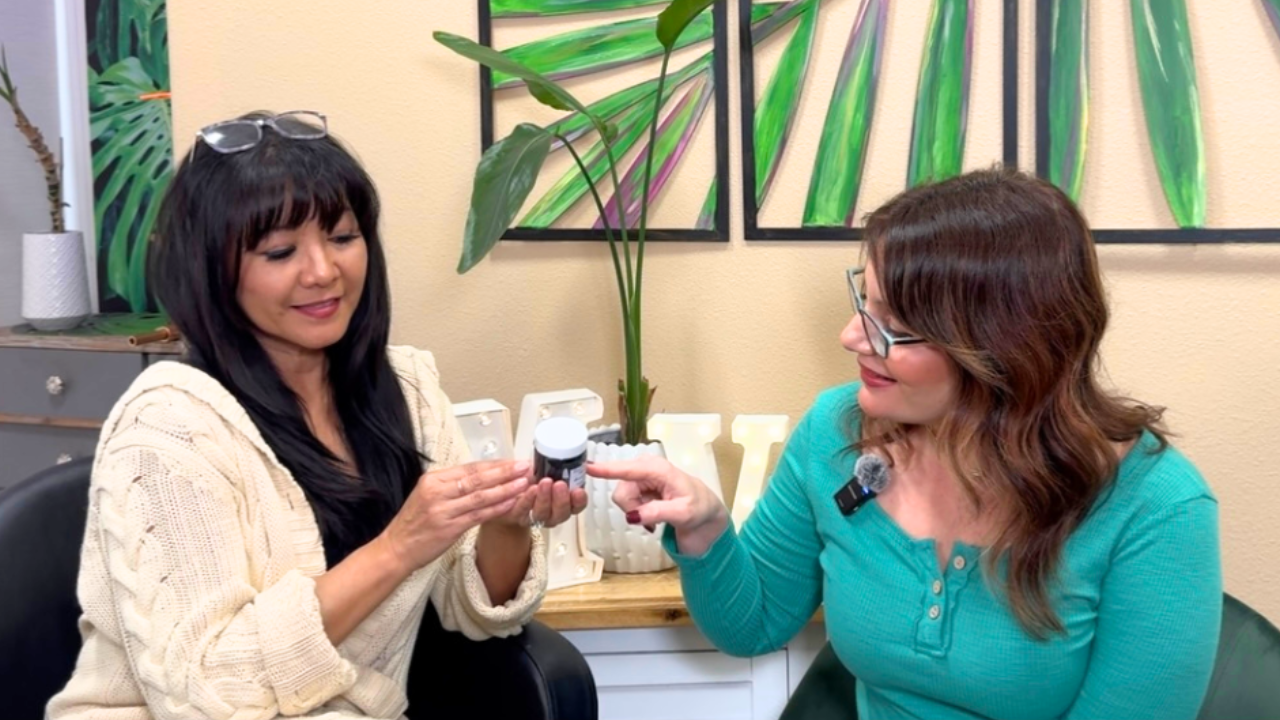
Welcome back to the Beauty Lab Podcast. If you’ve ever stood in the skincare aisle flipping bottles over, squinting at labels like hypoallergenic, dermatologist tested, or clean beauty—this episode is for you.
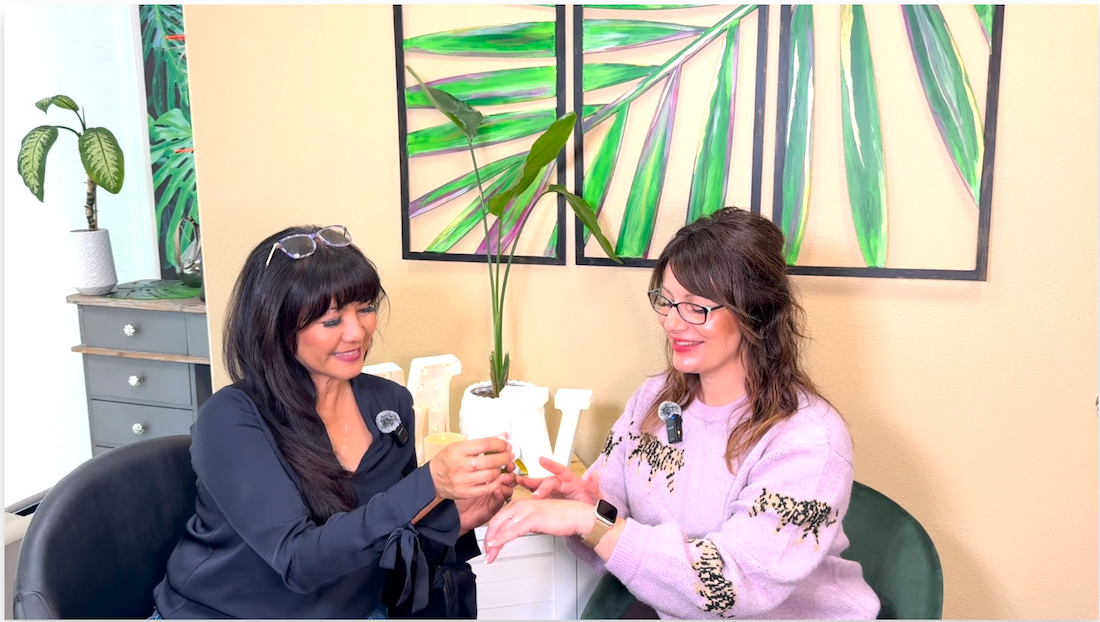
Today, Velia sits down with Monina to break down the most popular (and most annoying) skincare marketing buzzwords and explain what they really mean, what they don’t mean, and how much weight you should actually give them when choosing products.
Spoiler alert: a lot of these words sound official… but they’re not always as regulated as you think.
Hypoallergenic vs. Allergy Tested: What’s the Difference?
Let’s start with one of the most confusing pairs.
Hypoallergenic products are designed to be less likely to cause irritation. Brands usually avoid common allergens or harsh ingredients when formulating them. That’s helpful—but it’s not a guarantee.
Allergy tested means the product was actually tested on people, usually through patch testing, to see if reactions occurred.
Here’s the catch: neither term is strictly regulated. So while allergy tested sounds more official, it still doesn’t promise your skin won’t react. That’s why Monina always says—read the ingredient list and trust what you already know about your skin.
What Does “Cosmeceutical” Really Mean?
This one sounds fancy, right?
A cosmeceutical is basically a cosmetic product that includes active ingredients—like retinol, vitamin C, acids, or peptides—that can change your skin over time.
But here’s the truth: cosmeceutical is not a legal category. Products are still classified as either cosmetics or drugs, depending on the claims they make.
So instead of focusing on the word itself, look at:
- The active ingredients
- Their concentration
- Whether there’s any research or clinical backing
The label doesn’t matter as much as what’s actually inside the bottle.
Dermatologist Tested: Sounds Official, But Is It?
When you see dermatologist tested, it usually means the product was tested on human skin—sometimes under the supervision of a dermatologist.
But again, there’s no single standard for this claim.
Think of it as a credibility signal, not a promise. It tells you some testing happened, but it doesn’t mean the product is risk-free—especially if you have sensitive or reactive skin.
And yes, you should still patch test.
Non-Comedogenic: Can It Still Break You Out?
Non-comedogenic means a product is formulated to be less likely to clog pores.
This is a great starting point if you’re acne-prone or deal with clogged pores—but it’s not foolproof. The term isn’t tightly regulated, and skin reactions are personal.
Also, quick reminder: Even non-comedogenic makeup can cause problems if you sleep in it or keep layering without cleansing. Your skin repairs itself at night. Let it breathe.
Fragrance Free vs. Unscented (This One Tricks Everyone)
These two are not the same.
Fragrance free means no fragrance was added—period. The product may still have a natural scent from its ingredients, but nothing was added to make it smell a certain way.
Unscented usually means masking fragrances were added to cover an unpleasant odor—just not enough for you to notice.
If you have sensitive skin or allergies, fragrance free is the safer choice.
Organic & Clean Beauty: What They Really Tell You
When it comes to skincare, organic refers to how ingredients were grown—not how they’ll behave on your skin.
Organic ingredients can still irritate you. Essential oils and botanicals are a perfect example. Clean sourcing doesn’t automatically mean gentle or safe for you.
That’s why Monina emphasizes focusing on:
- Your skin barrier
- Gut health
- Personal triggers
Healthy skin reacts less. Labels can’t replace that.
The One Rule That Always Wins
No matter what the bottle says:
- Patch test behind the ear
- Read ingredient lists
- Trust your skin history over marketing claims
Buzzwords can guide you—but your skin gets the final vote.